Commentary: Goodbye Boracay, hello Tagaytay – less well-known places could be the future for domestic travel
SINGAPORE: The tourism trends during the COVID-xix pandemic are shifting. Take Baguio and Tagaytay equally examples.
A recent Airbnb survey found that a majority of Filipino travellers wanted to visit these less known getaways than usual tourism hotspots such as Boracay. This finding aligns with changing tourism preferences happening elsewhere.
Popular Hawaiian getaways and California's Napa County witnessed a 75 per cent and 50 per cent drop in their bookings respectively.
Another survey of more than ii,000 Americans past a financial firm revealed that the two-thirds of these travellers avoided large cities due to COVID-19 concerns.
READ: Commentary: Why Singapore'southward travel restrictions will go on changing for a while more
What explains these trends? Obviously, the pandemic has altered tourists' behaviour and produced new consumption patterns.
The ways people travel and the activities they volition embark on during trips will look very dissimilar from the pre-COVID-19 era.
For one thing, many travellers are increasingly citizens from a state rather than international tourists.
People are also condign more gamble-balky. They tend to refrain from visiting to big cities, entering congested spaces, and participating in large group activities.
READ: Commentary: A render to Phase 2 could be a momentary setback to Singapore's economic recovery
As a effect, less traffic is heading towards famous travel spots, just more visitors are flocking to off-the-browbeaten places.
RETHINKING TOURISM: GOING PLACES IN SMALLER TOWNS
For policymakers, the trends trigger a rethinking of how to run the tourism industry in such new environs.
While reopening is a logical solution helping these economies recuperate from the pandemic-inflicted losses, it is not straightforward.

At this stage in the pandemic, reopening megacities for visitors such equally Bangkok, Paris, Rio de Janeiro, and Sydney volition practice footling to boost tourism.
Future trends dictate that future hotspots volition probable be a mix betwixt old and new attractions. Every bit Airbnb'south CEO Brian Chesky remarked, "San Francisco volition dorsum, New York will be back, but the playing field is now levelled." In short, among the likely winners will exist smaller towns which names have been less heard of.
Promoting tourism in smaller municipalities yield other benefits beyond generating directly tourism revenues. For one thing, doing and then increases women'south participation in economies.
The 2022 World Tourism System Report plant that 54 per cent of the tourism workforce were female equally compared to 39 per cent in the broader economic system, and women in this manufacture earned more than than those in a broader economy. This hence lessens gender inequalities and supports inclusive growth.
READ: Commentary: Of all places, Singaporeans miss that trip to JB nigh – and not just because of the food
Such tourism offers opportunities to "test the market" for local goods such every bit specialised handicrafts and exotic herbs. Local entrepreneurs tin can identify products with potential for promotion in larger markets.
This blazon of travel also helps preserve cultural heritage of item communities, such as sophisticated artifacts and tribal tea-brewing skills, which might have otherwise disappeared within a decade.
Tourism has proven to salvage these elements, ranging from sophisticated woodcarving skills of the Asmat – a tribal minority residing in Indonesia's Papua province, to elaborated textiles and hats made past the Akha villagers living on mountains in Northern Thailand.
READ: Commentary: Lessons on hospitality from a Phuket resort dealing with COVID-19's touch
GOVERNMENTS ROLE IN SUSTAINING LOCAL TOURISM
Governments have a big role to play if such budding shoots of novel vacation experiences are to meet expectations.
Some already are breaking new ground in raising the skills and standards of local communities who business firm visitors and whose ways of life are oftentimes of involvement to curious visitors and eco-tourists. In these, fresh inter-bureau cooperation is helping to identify novel means to work with locals and equip them with aid.
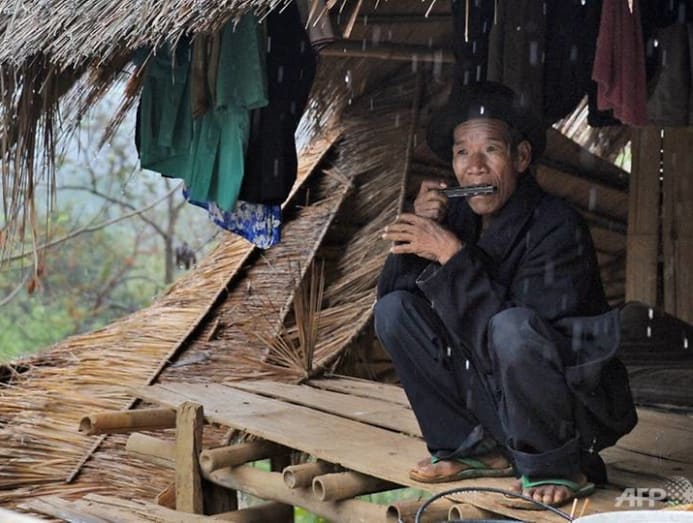
Mae Kampong, a pocket-sized village northeast of Thailand's Chiang Mai province, successfully became a community-based tourist destination, thanks to cooperation betwixt the Ministry of Tourism and Sport and the Ministry of Labour.
While the sometime helped the villagers achieved homestay certification standards, the latter trained homestay hosts to enhance their hospitality.
Standardisation may be key in delivering fresh travel opportunities that is competitive on price, service levels and quality. In this, public officials should create a tourism certification system guaranteeing that service providers meet certain quality and standards, raising consumer confidence.
Officers can, for instance, leverage existing global frameworks offered by the Global Sustainable Tourism Quango (GSTC), an international entity accrediting sustainable tourism.
The Costa Rica government in 1997 unveiled its Certification for Sustainable Tourism recognised by GSTC. This enabled the authorities to boost visitors in smaller towns such as La Fortuna.
READ: Commentary: What is taking people so long to redeem their Singapore tourism vouchers?
READ: Commentary: Singapore'due south local attractions demand to be more attractive than this
Equally savvy travellers likewise look for information and places to stay online, governments should consider creating an online 1-stop-service platform to link vacationers with service providers.
Because out-of-town travellers often have difficulty finding out what products and services local hosts offer, some governments have also found rolling out platforms to be helpful in matching businesses' products to clients' needs and demands while promoting off-the-beaten places.
Vietnamese authorities added a ane-finish service portal in which tourists can scan through a listing of lesser known destinations such as Ninh Binh and Mai Chau and learn most the products and services they offer.
Financial support has likewise been a lever in aiding greenbacks-strapped local entrepreneurs to launch new businesses, who would otherwise exist unable to participate in this tourism industry on their own.
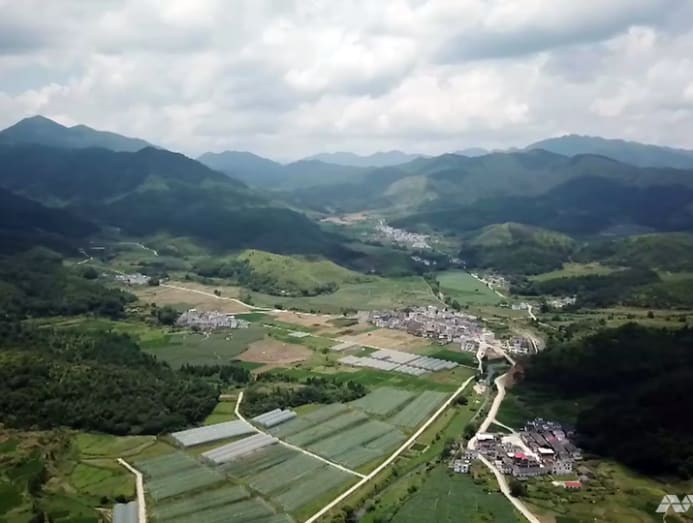
Cangfang village in China'south Henan Province, once a poverty-stricken town, has since been transformed into i of the country's hidden rural tourist gems.
The involvement-gratis authorities loans and subsidies helped local families sustain their bed-and-breakfast for out-of-town sojourners, and a wildlife park was created amid the rugged mountains and lush bamboo forests.
COVID-19 reminds us that within every crisis lies smashing opportunities. During this unprecedented time, taking the route less travelled can be a wise move for governments looking to stir economies.
International tourist arrivals may be down across the world. But for small rural villages in China, the Philippines and most big countries, it may just be the kickoff of a budding domestic tourism marketplace.
Dr Kaewkamol Pitakdumrongkit is Deputy Head and Assistant Professor at the Heart for Multilateralism Studies, South. Rajaratnam Schoolhouse of International Studies (RSIS) of Nanyang Technological Academy, Singapore.
Source: https://cnalifestyle.channelnewsasia.com/commentary/philippines-thailand-asia-travel-destination-hotel-tourism-covid-176651
0 Response to "Commentary: Goodbye Boracay, hello Tagaytay – less well-known places could be the future for domestic travel"
Post a Comment